
English 
T: +86-130-7422-1289
E: tianyhzp@163.com
E: tianyhzp@163.com
No. 41, Third Ring Road, Longtang Community, Shilin Town, Nanhai District, Foshan City (Workshop 1, First Floor, East Side, Second Floor, Third Floor)
Views: 0 Author: Site Editor Publish Time: 2026-04-10 Origin: Site


Tattoos have been a form of personal expression for thousands of years, but have you ever wondered what's in the ink? Tattoo pigments, the key element of your tattoo's vibrant colors, are more complex than they seem.
In this article, we will explore what tattoo pigments are made of, the ingredients used, and their potential safety concerns. You will learn about the components that make up tattoo ink and how to make informed choices regarding their safety.
Pigments are the colorants in tattoo ink that provide the tattoo with its visual appeal. When the tattoo needle injects ink into the dermis, the pigment remains trapped in the skin. Over time, immune cells attempt to remove the ink, but because the ink is too large to be fully absorbed, the pigment stays in the dermis, creating a permanent tattoo.
Tattoo pigments can be made from both natural and synthetic sources. Natural pigments are often derived from minerals, while synthetic pigments are made in laboratories to provide more consistent and vibrant colors.
Some common ingredients used in tattoo pigments include:
Ingredient | Source | Common Uses |
Carbon Black | Soot or burnt organic materials | Primarily used for black and gray tattoos |
Titanium Dioxide | Minerals like ilmenite | Common in white inks, also used for lightening other inks |
Iron Oxide | Naturally occurring minerals | Creates red, brown, and yellow pigments |
Cadmium Compounds | Heavy metals | Often used for bright red and yellow hues |
Cobalt | Metallic compounds | Used in blue and green inks |
Lead and Mercury | Heavy metals | Previously used for red and yellow pigments, but now less common due to toxicity concerns |
These ingredients form the base of tattoo ink and are responsible for the bold colors seen in tattoos. While these pigments can create beautiful, lasting tattoos, certain metals and chemicals can pose health risks.
Tattoo ink is not just pigment—it's a solution that contains the pigment suspended in a liquid carrier. The carrier helps make the pigment more soluble and ensures the smooth application of the ink. Common carriers include:
Carrier | Purpose |
Purified Water | Main base liquid, dissolves pigment and helps with smooth application |
Glycerin | Humectant, helps maintain ink consistency and solubility |
Isopropyl Alcohol | Sterilizes the ink, improves skin penetration |
Witch Hazel | Astringent, reduces inflammation and bleeding |
Ethyl Alcohol | Antiseptic, prevents contamination |
Some carriers can contain potentially harmful chemicals like formaldehyde and methanol, which raise concerns regarding toxicity. Choosing high-quality inks from reputable suppliers can help minimize these risks.
Understanding the types of pigments used in tattoo ink can help you assess the safety and vibrancy of your tattoo. Below are some common tattoo pigment colors and their sources:
Pigment Color | Common Sources | Health Concerns |
Black | Carbon black, iron oxide | Generally safe, but some black inks may contain heavy metals like lead |
Red | Cadmium sulfide, iron oxide, quinacridone | Can cause allergic reactions, especially with red hues |
Yellow | Cadmium sulfide, azo compounds | Risk of fading over time, potential toxicity from cadmium |
Blue | Cobalt, phthalocyanine, copper phthalocyanine | Cobalt can be irritating, and some pigments may cause skin reactions |
Green | Chromium oxide, phthalocyanine green | May contain toxic chromium compounds |
Purple | Manganese violet, dioxazine | Often contains heavy metals |
While synthetic pigments provide more consistent and vibrant results, some may carry health risks due to the presence of toxic heavy metals.
Tattoo inks are generally safe, but there are several health concerns associated with the ingredients in some pigments. These include allergic reactions, skin infections, and the long-term migration of pigment particles into the body.
Certain ingredients, particularly red inks, have been linked to allergic reactions and skin rashes. Additionally, the presence of heavy metals in some inks raises concerns about potential long-term health effects, such as carcinogenicity and organ toxicity. Some pigments may also cause inflammation, granulomas, or keloids in sensitive individuals.
Tattoo ink particles are primarily designed to remain in the dermis, but they can sometimes migrate into the lymphatic system, where they may travel to lymph nodes. This raises concerns about long-term exposure to tattoo ink, especially as pigments may contain toxic metals.
While the FDA classifies tattoo ink as a cosmetic, it does not regulate tattoo ink formulations. This lack of oversight means that some inks may contain unregulated or undisclosed ingredients, which may be harmful. As a result, it is essential for consumers to choose reputable tattoo artists who use certified and tested inks.
As consumers become more conscious of the ingredients in tattoo inks, organic and vegan options are gaining popularity. These inks are often marketed as safer alternatives due to their exclusion of animal-derived substances like bone char, gelatin, and beeswax. While these inks offer certain ethical benefits, their safety isn't guaranteed, and it's important to understand both the advantages and potential risks.
Organic tattoo inks are made from natural pigments and non-toxic substances. Many people choose these inks for ethical reasons, aiming to avoid animal-derived ingredients. Organic inks are also often free from many of the harmful chemicals found in traditional inks, which may reduce the risk of allergic reactions or skin irritation. For those with sensitive skin or allergies, organic inks can be a safer choice.
While vegan and organic inks are considered safer, they still carry some risks. Some organic inks may still contain heavy metals such as cadmium or chromium, which can pose health risks over time. These metals are known to cause issues like skin irritation or, in extreme cases, long-term health problems. It's crucial to research each brand of ink thoroughly and ensure it has been tested for safety. While organic and vegan inks may reduce some health risks, they are not completely free of harmful substances.
In summary, vegan and organic tattoo inks offer ethical and safety advantages, but they are not without their risks. It’s important to consult with your tattoo artist and research the inks they use to ensure you're getting a safe, high-quality product.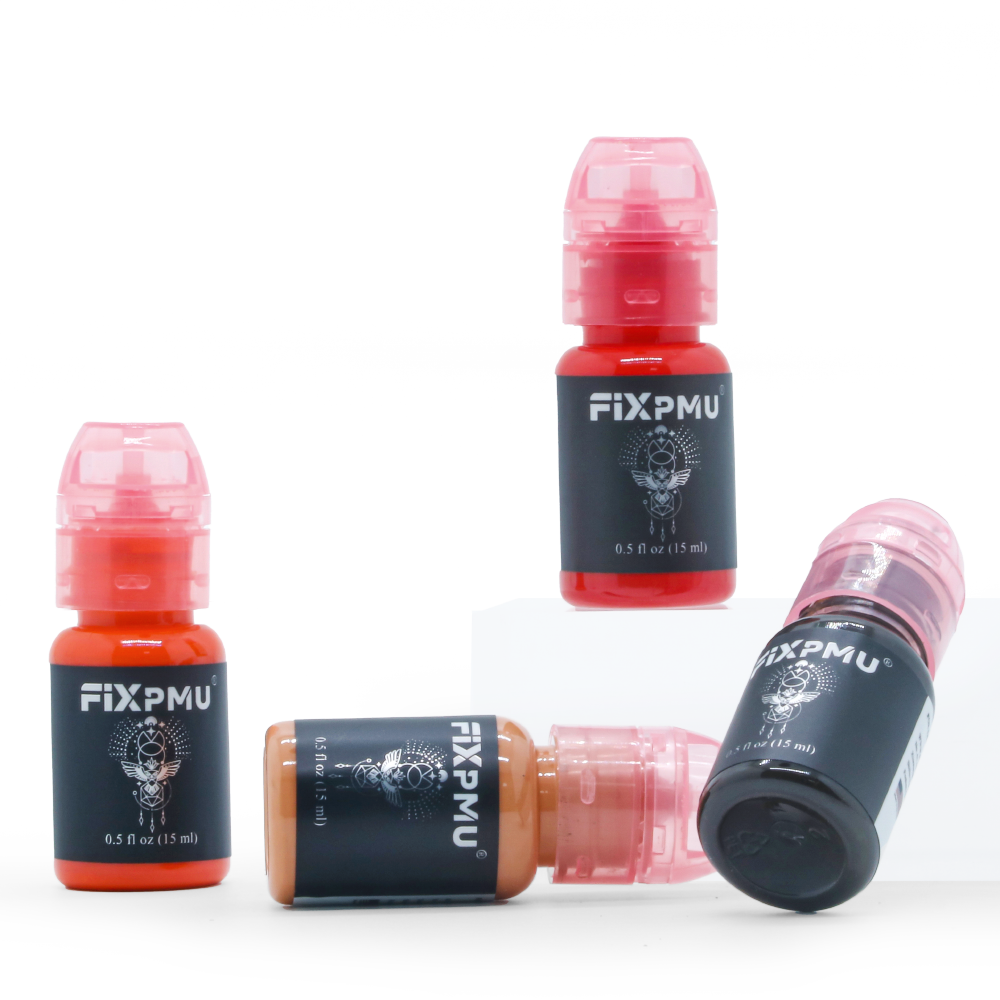
Tattoo ink not only influences the final look of your tattoo but also plays a key role in how it heals. The ingredients in the ink can impact your skin's reaction and the overall healing process.
Some tattoo ink ingredients, especially in red inks, are more likely to cause allergic reactions or irritation. These can range from mild itching to more severe issues like granulomas (small bumps under the skin). Being aware of the ingredients in the ink, especially if you have sensitive skin, can help minimize the risk of these reactions.
Pigments can sometimes migrate over time, affecting the clarity and sharpness of a tattoo. Inks like red and green pigments are more prone to migration, which can cause the tattoo to fade or blur. Choosing the right ink and ensuring it's applied correctly can help prevent this issue.
For those with sensitive skin, it's important to opt for hypoallergenic inks. These inks are designed to reduce the risk of irritation and allergic reactions. Be sure to ask your tattoo artist about the inks they use, especially if you’ve had skin reactions to other products in the past.
When selecting a tattoo pigment, it's important to prioritize safety. Here’s how to ensure the ink you choose is safe for your skin.
Choose a reputable tattoo studio that uses safe and certified inks. Ask your tattoo artist about the pigments they use and whether they can provide Material Safety Data Sheets (MSDS) for the inks.
Look for tattoo ink suppliers that provide transparent information about the ingredients in their inks. Ensure that the ink has undergone rigorous safety testing before it is used on the skin.
Always check the ink's labeling to ensure it meets safety standards. If an ink brand is not transparent about its ingredients, it may be best to look for a different supplier.
Understanding what tattoo pigments are made of and their safety implications is crucial for anyone considering a tattoo. While tattoos are a form of personal expression, being informed about the inks used ensures that your tattoo is both beautiful and safe. Make sure to choose reputable artists, inquire about the inks they use, and prioritize your health when making tattoo choices. Foshan Tianyi Intelligent Technology Co., LTD. provides high-quality, safe pigments that offer long-lasting results, ensuring both vibrant tattoos and peace of mind.
A: Tattoo pigment is made of colorants (pigments) and a carrier solution. The pigments provide color, while the carrier ensures smooth application and ink consistency.
A: Tattoo pigment components include pigments such as carbon black, titanium dioxide, and iron oxide, along with carriers like glycerin and purified water.
A: Most tattoo pigments are safe, but certain ingredients, such as heavy metals, may cause allergic reactions or long-term health concerns. It's important to choose safe, reputable tattoo inks.
A: Tattoo pigments stay in the dermis layer of the skin because the skin does not shed cells in this layer, allowing the pigment to remain visible permanently.
A: Some tattoo pigments, especially red and yellow inks, contain chemicals or heavy metals that can cause allergic reactions in sensitive individuals.
A: Organic tattoo pigments, made with natural colorants, are often considered safer, but they may still contain heavy metals or other additives that could cause reactions.


