
English 
T: +86-130-7422-1289
E: tianyhzp@163.com
E: tianyhzp@163.com
No. 41, Third Ring Road, Longtang Community, Shilin Town, Nanhai District, Foshan City (Workshop 1, First Floor, East Side, Second Floor, Third Floor)
Views: 0 Author: Site Editor Publish Time: 2026-04-03 Origin: Site


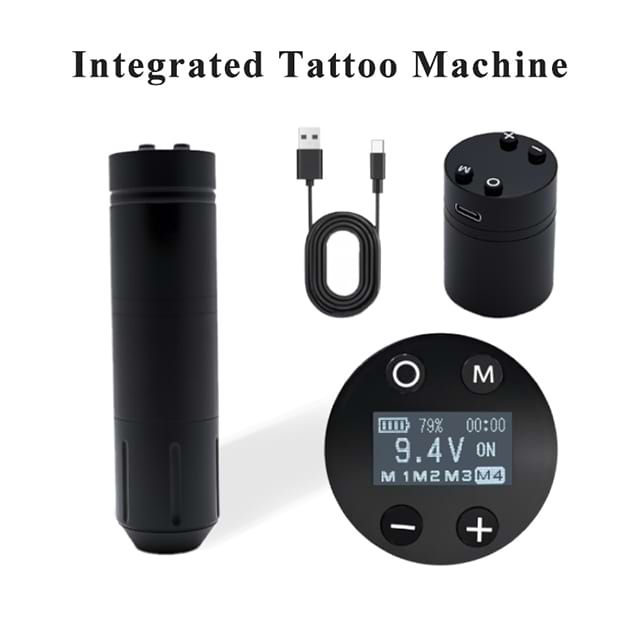
Choosing the right tattoo machineis crucial to any tattoo artist’s success. Whether you're a beginner just starting out or a professional looking for an upgrade, understanding your options can be overwhelming. This guide will help you navigate through the various types of tattoo machines, key features to consider, and other important buying factors to ensure you make an informed decision that suits your tattooing style and needs.
Tattoo Machine Type | Description | Advantages | Drawbacks |
Coil Tattoo Machines | The traditional tattoo machine that uses electromagnetic coils to move the needle, ideal for bold and intricate designs. | - High power and precision. - Ideal for detailed, clean lines. - Customizable with different coil sizes. | - Heavier than rotary machines. - Requires regular maintenance (contact screws, rubber bands). |
Rotary Tattoo Machines | Operates with a small electric motor rotating a cam to move the needle, known for smooth operation and ease of use. | - Great for beginners. - Lighter and more comfortable for long sessions. - Smoother for shading/coloring. | - Can be less powerful than coil machines. - Some models require more regular maintenance. |
Pen Tattoo Machines | Ergonomically designed to mimic the feel of a pen, reducing hand fatigue and offering superior comfort for detailed work. | - Balanced and reduces hand strain. - Great for both outlining and shading. - Less maintenance than coil machines. | - More expensive than traditional coil machines. |
Pneumatic Tattoo Machines | Uses air pressure to operate, offering a smooth and precise tattooing experience with minimal vibration. | - Extremely lightweight and easy to maneuver. - Minimal vibration for smooth operation. | - Still relatively rare and expensive. - Requires a compressor for air supply. |
This table format provides a clear comparison of the tattoo machine types, their advantages, and drawbacks, making it easier for readers to understand and choose the right machine for their needs.
The motor type plays a significant role in how efficiently and smoothly your tattoo machine operates. The two main motor types are brushless and brushed motors. Brushless motors are generally more efficient, have a longer lifespan, and require less maintenance, making them a preferred choice for long-term reliability. On the other hand, brushed motors are less expensive but need more regular upkeep.
Tips:Opt for a brushless motor for durability and consistent performance, especially if you plan to use your machine frequently.
Stroke length determines the depth and range of the needle's movement during each cycle. Different tattoo styles require different stroke lengths. Shorter strokes (3.5mm to 4mm) are ideal for linework and fine details, while longer strokes (4mm to 5mm) are better suited for shading and color packing.
● For lining, choose a tattoo machine with a stroke length of around 3.5mm to 4mm.
● For shading, opt for a machine with a longer stroke length, around 4mm to 5mm, for smoother, more consistent shading.
Voltage controls the speed and power of your tattoo machine. A stable voltage range is crucial to ensuring your machine operates smoothly and consistently throughout your session. Machines with a fluctuating voltage can result in uneven tattoo lines or shading, making it essential to pick one with stable voltage performance.
Tip:Look for a machine with an adjustable voltage range from 0-12V for more control over the machine's power.
A tattoo machine’s weight and ergonomics are essential for preventing hand strain during long tattooing sessions. If a machine is too heavy or poorly balanced, it can cause fatigue and discomfort, which can negatively impact your work. Look for machines that are lightweight yet well-balanced, ensuring comfort and control for hours of work.
Aim for a tattoo machine weighing under 300 grams for optimal ergonomics. This will help reduce fatigue and improve your overall comfort while working.
The power supply is essential for controlling the voltage and ensuring that your tattoo machine runs smoothly. A stable and reliable power supply can make a huge difference in the quality of your tattooing, ensuring consistent needle movement throughout your session.
● Adjustable Voltage Settings: This allows you to control the power, ensuring precision for different tattoo styles.
● Reverse Polarity Protection: This feature protects your equipment from electrical faults and prevents machine damage.
Foot pedals control the on/off function of your tattoo machine. A high-quality foot pedal provides precise control over your machine, ensuring you can start and stop without disruption. Similarly, clip cords connect the power supply to your tattoo machine, transferring power effectively.
Tip:Invest in a reliable foot pedal with stable pressure sensitivity. A good foot pedal reduces the risk of accidental power shutdowns during tattooing, making your work smoother and more efficient.
Your tattoo machine should be compatible with various types of needles and grips. Needles come in different sizes, such as round liners and magnum shaders, each suitable for different tattooing styles. Grips are just as important for comfort during long sessions, reducing hand strain and improving control.
● Ensure your tattoo machine is compatible with different needle types to ensure versatility.
● Choose ergonomic grips to reduce fatigue, especially during extended sessions.
In addition to the main equipment, there are several accessories that contribute to the quality of your tattoos and the safety of your setup. High-quality inks, reliable sterilization products, and disposable tips are essential for maintaining hygiene and ensuring consistent results.
● Invest in trusted brands for inks and sterilization products to ensure safety and consistency.
● Ensure disposable tips and other accessories are sterile to prevent cross-contamination.
Accessory | Features | Considerations |
Power Supply | Adjustable voltage, reverse polarity protection | Choose a stable power supply for consistent voltage control. |
Foot Pedal | Controls on/off function, stable pressure sensitivity | Ensure the pedal is responsive and comfortable to use. |
Clip Cord | Connects power supply to machine | Make sure the cord is durable and long enough for flexibility. |
Needles | Various types (round liners, magnum shaders) | Match needles to your desired tattoo style for precise results. |
Grips | Ergonomically designed for comfort | Look for grips that reduce hand strain and improve control. |
Inks and Sterilization | Quality tattoo inks, cleaning and sterilizing products | Invest in reliable, non-toxic ink and proper cleaning supplies. |
By ensuring that you select the right accessories, you enhance the overall performance of your tattoo machine setup, ensuring efficiency, comfort, and safety throughout your tattooing sessions. The combination of quality equipment and essential accessories will contribute to better results, whether you are a beginner or an experienced artist.
Before starting, make sure all components are securely attached. This includes the needle, motor, power supply, and disposable tips.
Proper needle depth is essential for achieving the desired effect. For lining, the needle should barely touch the skin, while for shading, it should penetrate slightly deeper.
Adjust the voltage based on the tattoo technique. Lower voltage is best for shading, while higher voltage provides cleaner lines for outlines.
After every use, disassemble your tattoo machine and clean it thoroughly to maintain hygiene and prevent infection. Use medical-grade disinfectants for the parts that come into contact with ink and skin.
Tip:Regularly lubricate the moving parts to reduce wear and tear and prolong the machine’s lifespan.
To keep your machine in top condition, lubricate moving parts and check for wear regularly. Replacing needles, springs, and capacitors when needed will ensure optimal performance.
If your tattoo machine experiences inconsistent power or overheating, check for loose connections, worn-out parts, or improper maintenance.
Beginners should opt for lightweight, user-friendly rotary machines, which are easy to maintain and offer versatility.
Top Picks for Beginners:
● Dragonhawk Mast Tour Pen
● Solong Tattoo Complete Starter Kit
● Stigma Rotary Tattoo Machine
When starting out, it's important to find a machine that balances affordability with performance. These machines will help you build skill while ensuring your equipment doesn't hinder your progress.
Look for a kit that includes essential components like needles, ink, power supply, and cleaning supplies to get you started without extra hassle.
Choosing the right tattoo machine is more than just selecting a tool; it’s about enhancing your artistry and ensuring quality work for your clients. Whether you’re just starting or looking to upgrade your equipment, understanding the types of machines, key features, and proper setup and maintenance will ensure your tattoo career thrives. Invest in the best tattoo machine you can afford, and remember to prioritize comfort, reliability, and versatility in your choice. Foshan Tianyi Intelligent Technology Co., LTD. offers high-quality tattoo machines designed to support professional artists in delivering exceptional results with precision and reliability.
A: A tattoo machine is a device used to insert ink into the skin, creating permanent designs.
A: Beginners should choose a lightweight, easy-to-use tattoo machine with adjustable features.
A: Rotary tattoo machines are quieter, lighter, and easier to maintain, making them ideal for beginners.
A: Coil tattoo machines use electromagnetic coils to move the needle, creating precise ink lines.
A: Key features include motor type, weight, voltage range, and stroke length, all affecting performance.
A: Check connections, clean the machine, and inspect the motor if your tattoo machine is not working properly.


