
English 
T: +86-130-7422-1289
E: tianyhzp@163.com
E: tianyhzp@163.com
No. 41, Third Ring Road, Longtang Community, Shilin Town, Nanhai District, Foshan City (Workshop 1, First Floor, East Side, Second Floor, Third Floor)
Views: 0 Author: Site Editor Publish Time: 2025-12-24 Origin: Site


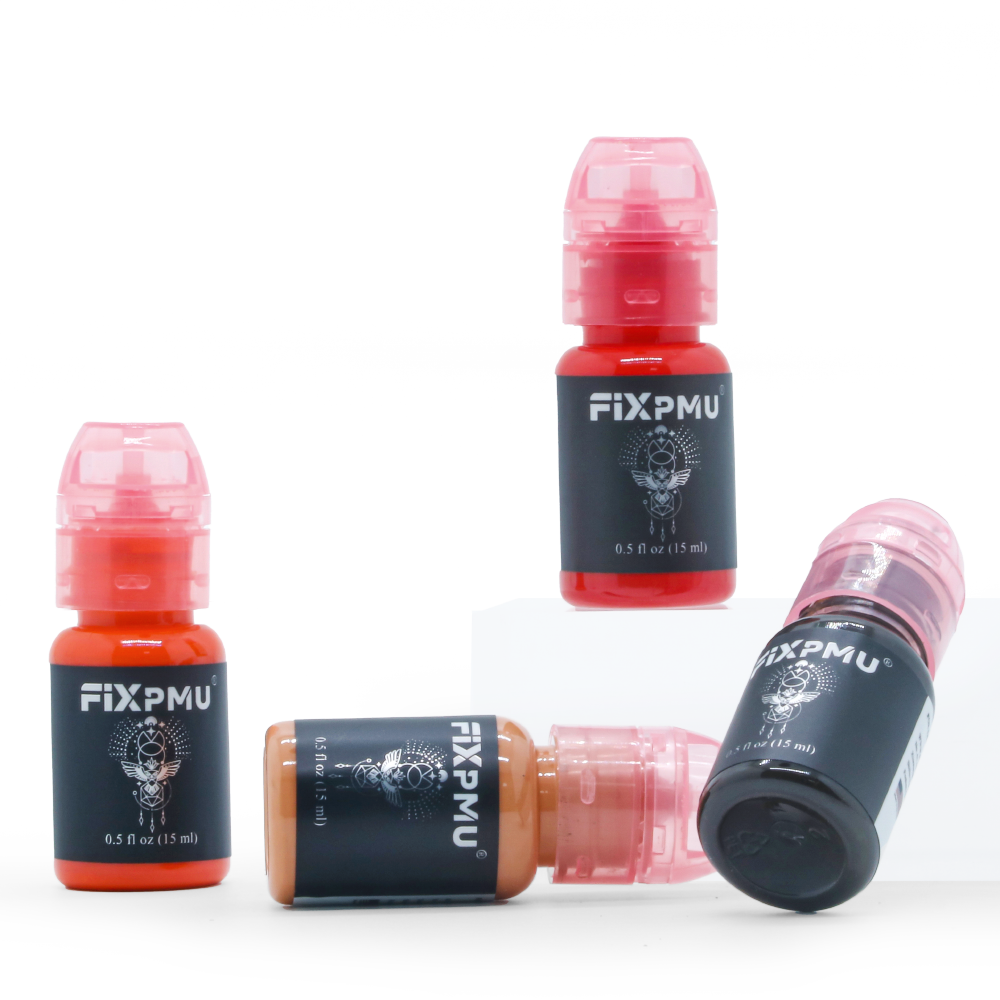
Tattoo artistry thrives on creativity, and mixing your own tattoo pigments can elevate your craft. Custom shades offer endless possibilities, allowing artists to add a personal touch to their designs.
In this article, we will explore how to mix and choose tattoo pigments for custom shades. You’ll learn essential techniques, tools, and tips to create unique tattoo colors that will set your artwork apart.
Tattoo pigments are typically made from either organic or inorganic materials. Organic pigments are usually derived from plants or synthetic compounds, offering vibrant and rich colors but with less longevity. In contrast, inorganic pigments, often derived from minerals, tend to be more stable and resistant to fading.
Choosing the right pigment base is crucial for achieving consistent and lasting results. For custom shades, using high-quality pigments is essential to ensure clarity, vibrancy, and skin safety.
A solid understanding of color theory is foundational to mixing tattoo pigments. Tattoo artists rely on the color wheel to combine primary, secondary, and tertiary colors. Here's a quick overview:
Color Type | Example Colors | Description |
Primary Colors | Red, Blue, Yellow | Basic colors that cannot be created by mixing other pigments. |
Secondary Colors | Green, Orange, Purple | Created by mixing primary colors. |
Tertiary Colors | Yellow-Green, Red-Orange | Result from mixing a primary color with a secondary color. |
When mixing custom tattoo pigments, understanding the relationships between colors allows you to adjust tones accurately. For instance, if you need a deeper shade, you can mix complementary colors (like blue with orange) to mute bright tones or adjust the brightness by adding a small amount of white or black ink.
To safely mix tattoo pigments, it’s important to have the proper tools. These include:
Ink Caps or small disposable cups for mixing.
Mixing Sticks: Use sterilized or disposable sticks to stir the pigment thoroughly.
Pipettes or droppers for precise measurements.
Tattoo ink mixing requires strict adherence to cleanliness. Use sterile work surfaces and tools, as contamination can lead to infection and compromised ink quality. Always wear gloves and ensure that mixing utensils are single-use to prevent cross-contamination.
Sterilized Environment: Ensure a clean, sterile workspace.
Professional-Grade Ink: Use only professional tattoo inks that meet safety standards.
Avoid Reusing Leftover Ink: Mixed inks should be used during the session and discarded after to maintain quality.
1. Prepare your tools: Gather disposable cups, mixing sticks, and a clean work surface.
2. Start small: Begin by using small amounts of ink. This minimizes waste and allows you to experiment with different color ratios.
3. Mix gradually: Start with lighter pigments and add darker pigments slowly. Always mix thoroughly to ensure consistency.
Different tattoo styles require different pigment properties. For example:
Traditional Tattoos: Bright, solid colors work best, so vibrant inks are ideal.
Realism: Requires subtle shades and gradients, often achieved by mixing multiple colors for depth.
Watercolor: Inks must be diluted to create soft, translucent effects.
Clumping: Ensure that you are using compatible inks from the same manufacturer.
Inconsistent Ratios: Always test the mix on practice skin or a small area before tattooing a client.
Overmixing: Avoid mixing excessive quantities, as this can lead to waste and potential contamination.
Choosing the right tattoo pigment is critical for ensuring the tattoo’s vibrancy over time. Look for pigments that resist fading and are resistant to UV light. For tattoos in areas that get a lot of sun exposure, pigments known for their longevity should be prioritized.
Skin tone plays a significant role in how tattoo pigments will appear once healed. Lighter skin tones tend to show vibrant colors more clearly, while darker skin tones may need more vivid or deep shades to stand out. Testing on a small area is recommended before beginning the full tattoo.
For larger designs, solid pigments with high coverage are essential. However, for intricate, detailed tattoos, consider using more diluted shades to allow for the precision and clarity needed in fine lines and small details.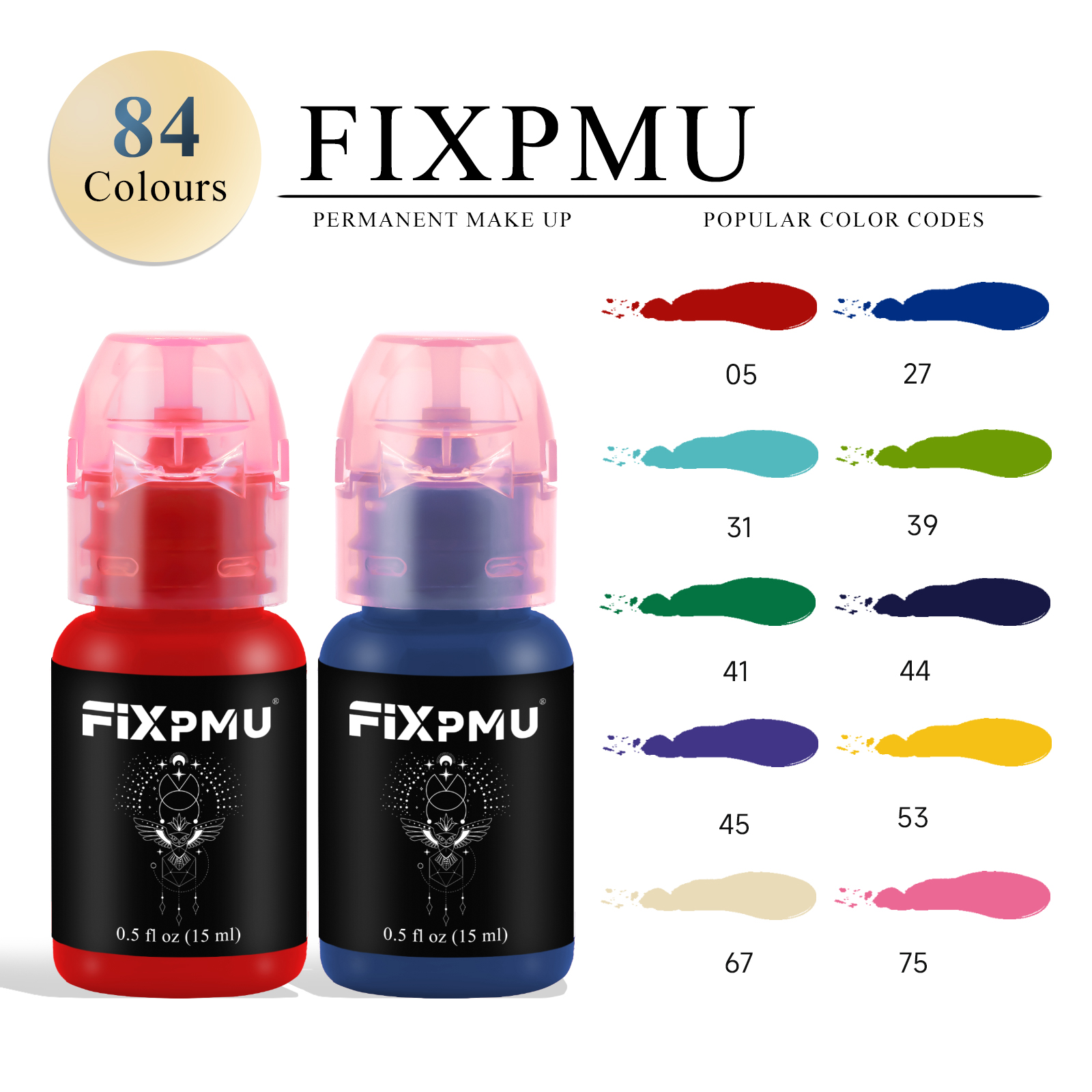
Gradients and smooth color transitions are central to many sophisticated tattoo designs. They add depth and can enhance the visual appeal of tattoos, particularly in areas that require soft transitions between colors. To create a seamless gradient, follow these steps:
1. Pre-mix Small Amounts of Ink: Prepare multiple small cups with varying ink saturations, ranging from light to dark.
2. Gradual Application: Apply the gradient from light to dark, ensuring smooth transitions. This helps achieve a natural flow of colors on the skin.
Ink Saturation | Application Technique | Result |
Light | Apply gently and gradually increase intensity | Soft, subtle transitions |
Dark | Focus on smaller areas for a more defined transition | Deep, dramatic shading |
Test on Practice Skin: Always test the gradient effect on synthetic skin to ensure smoothness before applying it to a client.
Layering: Build up the gradient gradually for smoother transitions. Avoid applying too much dark pigment at once to prevent harsh lines.
Diluting tattoo pigments helps create soft, translucent effects like grey washes. This technique is especially useful for shading and lighter versions of a color, enabling the artist to create softer transitions and more subtle details. To achieve a light wash:
1. Mix with Distilled Water or Shading Solution: Add distilled water or a professional shading solution to dilute the ink. This helps achieve a lighter effect without compromising the pigment’s integrity.
2. Control the Transparency: Adjust the ratio of pigment to dilution to control the transparency of the wash.
Pigment Dilution | Application Technique | Result |
Light | Mix with more dilution for a softer look | Creates subtle washes and smooth transitions |
Dark | Use less dilution for more intense color | Darker, more defined shading |
Test on Skin: Always test diluted pigments on practice skin to see how they appear on the actual skin.
Consistency: Ensure a smooth consistency by mixing thoroughly to avoid any separation or uneven application.
Layering different tattoo ink shades allows you to build depth and dimension in your designs. This technique is especially important for creating tattoos that have a rich, textured appearance. The layering process helps prevent the pigment from looking flat or one-dimensional.
1. Start with Darker Pigments: Begin by applying the darker pigments first. These will form the base layer, providing depth and a solid foundation for lighter shades.
2. Build Up with Lighter Layers: Gradually apply lighter shades on top, working your way up in layers. This method ensures that the ink flows evenly and prevents smudging.
Layering Order | Application Technique | Result |
Dark to Light | Apply darker inks first, followed by lighter layers | Builds depth and avoids smudging |
Light to Dark | Add lighter shades over darker ones for a smooth blend | Enhances texture and dimension |
Wait Between Layers: Allow each layer to settle before applying the next to avoid blending issues.
Smooth Transitions: Use a gentle hand when applying the lighter layers to ensure the final result has seamless transitions between colors.
By mastering these advanced tattoo pigment techniques—creating gradients, diluting pigments for washes, and layering for depth—you can significantly enhance the visual impact of your tattoos, taking your artistry to the next level.
If the mixed pigment doesn’t match the desired shade or appears too inconsistent, it’s important to test it on a small practice area. Adjust the ratio of pigments gradually, as some colors can alter significantly when applied to skin.
Always use inks from the same brand or manufacturer to ensure chemical compatibility. Mixing inks from different sources can lead to clumping and inconsistent pigment texture.
In some cases, mixed inks may not heal as expected. This can result in fading or blotchy healing. To prevent this, always inform clients of the potential for color shifts and plan for touch-ups if needed.
In conclusion, mixing and choosing tattoo pigments for custom shades is a vital skill for any tattoo artist. By mastering color theory, understanding pigment properties, and following safe mixing practices, artists can create unique, personalized designs that stand out.
Tips: Always keep detailed records of your pigment mixing ratios to ensure consistency for future touch-ups or similar designs. Experimentation and careful planning are key to mastering custom tattoo shades.
Foshan Tianyi Intelligent Technology Co., LTD.offers high-quality tattoo pigments, helping artists achieve vibrant, long-lasting colors for every design.
A: Tattoo pigment refers to the ink used in tattoos, crucial for achieving vibrant, personalized colors in custom shades.
A: Mixing tattoo pigments involves blending different inks carefully to create unique colors, adjusting with color theory principles.
A: Mixing tattoo pigments from different brands is possible, but it's essential to ensure compatibility to avoid clumping or separation.
A: Color theory helps tattoo artists understand how primary, secondary, and tertiary colors interact, enabling better custom blends.
A: To adjust tattoo pigments' value, add white to lighten or black to darken, achieving various shades and effects.
A: Essential tools include mixing cups, sterile sticks, and gloves, ensuring safe and effective tattoo pigment blending.


