
English 
T: +86-130-7422-1289
E: tianyhzp@163.com
E: tianyhzp@163.com
No. 41, Third Ring Road, Longtang Community, Shilin Town, Nanhai District, Foshan City (Workshop 1, First Floor, East Side, Second Floor, Third Floor)
Views: 0 Author: Site Editor Publish Time: 2025-12-31 Origin: Site


Tattooing is a dynamic art form that requires the right tools for success. Whether you're a beginner or experienced artist, the supplies you use directly impact your tattoo's quality and safety. In this article, you'll learn about the essential tattoo supplies every artist needs. From tattoo needles to aftercare products, we'll guide you through what's necessary to create stunning, lasting tattoos.
Tattoo supplies are more than just tools; they are the foundation of a safe, professional, and successful tattooing practice. High-quality tattoo supplies contribute to the precision and quality of the artwork while ensuring that the process is safe for both the tattoo artist and the client. The best tools help avoid common issues such as infections, fading, or poor quality work. Moreover, using high-quality products can enhance an artist’s reputation and client satisfaction.
Tattoo needles are among the most essential items for any tattoo artist. They come in various types and configurations, each designed for different techniques and styles. The selection of the right needle can significantly impact the quality of the tattoo.
● Round Liners (RL): These needles are ideal for creating sharp, clean outlines and intricate details. They are used for outlining designs and adding fine details.
● Round Shaders (RS): These needles are designed for shading, allowing smooth transitions between shades. They are great for softer shading and filling in smaller spaces.
● Magnum Shaders (M1 and M2): These are typically used for larger areas and smooth shading. Magnums are perfect for color packing and filling in large sections of the tattoo.
High-quality needles are usually made of stainless steel, ensuring durability and safety. The needle's design and configuration are also critical in achieving consistent results, making it important to understand how each type works for specific tattoo techniques.
Tattoo machines are the primary tools used to apply ink to the skin. There are various types of tattoo machines, each offering different levels of control, comfort, and technique versatility. Understanding the types of machines will help you choose the right one for your tattooing style.
Machine Type | Best For |
Coil Machines | Traditional techniques, fine lines |
Rotary Machines | Both lining and shading |
Pen-Style Machines | Detail work and comfort |
Coil Machines: These are the most traditional type of tattoo machine. Known for their powerful performance, they are ideal for creating detailed line work and traditional tattoos. They have a loud buzzing sound but provide strong control.
Rotary Machines: Rotary machines are quieter and smoother in operation compared to coil machines. They are lightweight and versatile, making them suitable for both shading and lining. Artists who prefer a quieter, smoother machine often opt for this type.
Pen-Style Machines: These machines are ergonomic and provide precision. Pen-style machines are increasingly popular among tattoo artists due to their design, which mimics the feeling of holding a pen. This design is especially useful for detailed work, as it allows for a more controlled, comfortable grip.
A tattoo power supply provides the necessary voltage to run the tattoo machine. It plays a critical role in the overall performance of your tattoo machine and ensures that the power is consistent throughout the session.
Adjustable Voltage: This feature allows you to control the speed and power of the machine. This is particularly useful when switching between different tattooing techniques (e.g., shading versus outlining).
Digital Displays: Many modern power supplies come with digital screens that display the voltage setting, making it easier for artists to fine-tune their machine settings.
Safety Features: Overheat protection and stable output are essential safety features that ensure the tattoo machine operates without interruptions, which is crucial during long sessions.
Grips, tubes, and tips enhance comfort and precision during the tattoo process. These supplies ensure that the artist has the control necessary to apply the ink effectively.
Grips: Grips are available in disposable or reusable forms. They are ergonomically designed to reduce hand fatigue during long sessions. Some grips are made from rubber or silicone, providing a comfortable feel and preventing slippage.
Tubes: Tubes help guide the needle during the tattooing process and ensure the ink flows smoothly. They come in various sizes and materials, including stainless steel and plastic. Choosing tubes that are easy to clean is essential for maintaining hygiene in your studio.
Tips: Tips are matched to the needle configuration and allow for a smooth flow of ink. They also ensure the artist has the precision needed to make clean, crisp lines.
Tattoo ink is what makes the design come to life. Choosing the right ink can have a significant impact on the vibrancy, longevity, and healing of the tattoo.
Black Inks: Essential for outlining and shading. They are the foundation of every tattoo and ensure that the lines are crisp and clean. Common types include lining blacks and tribal blacks.
Colored Inks: A wide range of colored inks is used for adding vibrancy and dimension to tattoos. Colors such as red, blue, yellow, and green are standard, but many brands offer specialty inks in unique hues.
Specialty Inks: These include UV-reactive inks, metallic inks, and white inks. UV-reactive inks are popular for tattoos that glow under black lights, while metallic inks add a shiny effect to designs.
When selecting tattoo ink, always choose brands that offer high-quality, dermatologically tested inks to ensure safety and durability.
Tattoo transfer paper is crucial for creating accurate stencils of your designs, which are then transferred onto the client’s skin.
Paper Type | Best Use | Features |
Thermal Transfer Paper | For use with thermal printers | High precision, clear stencils |
Stencil Paper Sheets | Manual stenciling | Versatile, used by hand |
Tattoo printers can help create high-resolution stencils quickly, ensuring more accurate designs with less effort.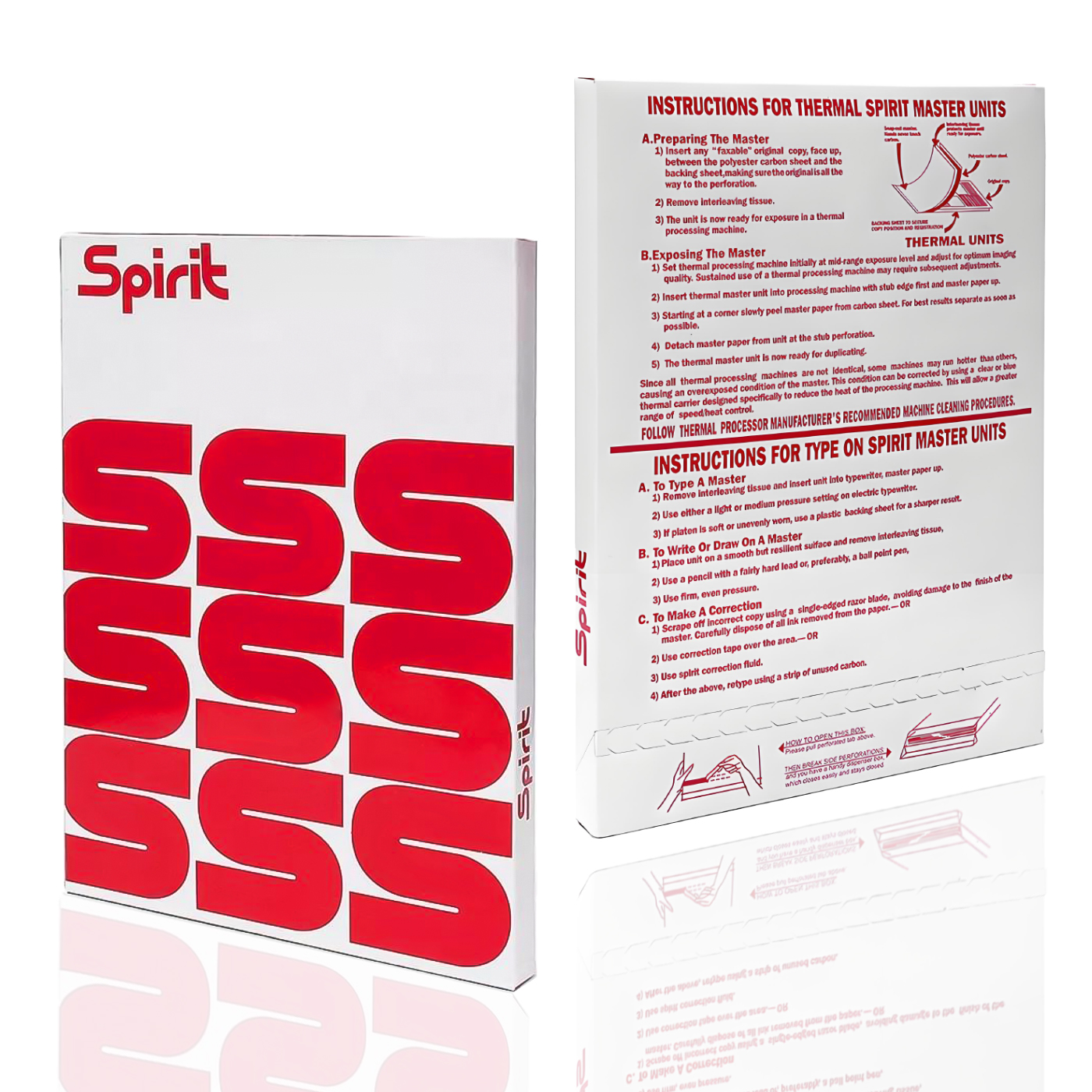
Proper aftercare is essential for ensuring that the tattoo heals well and looks vibrant for years. Key aftercare supplies include:
Healing Lotions and Balms: Used to moisturize the skin and aid the healing process.
Antibacterial Soap: Helps prevent infections while keeping the tattoo clean.
Bandages and Wraps: Medical-grade bandages, such as second-skin wraps, protect the tattoo during the healing process.
Offering aftercare products not only improves the client's experience but also helps protect the longevity of your work.
Tattooing requires a sterile environment to ensure the safety of both the artist and the client. Essential sterilization tools include autoclaves, ultrasonic cleaners, and sterilization pouches. These tools ensure that all reusable equipment is thoroughly disinfected before each use.
Maintaining strict hygiene standards helps avoid cross-contamination and ensures a safe tattooing process.
To protect both the artist and the client, barrier protection products are essential:
Medical-Grade Gloves: Prevents direct contact with ink, blood, or other bodily fluids.
Machine Bags and Clip Cord Sleeves: Prevent contamination of the tattoo machine during the procedure.
Surface Barriers: Keep your workspace clean and sterile.
These supplies ensure that the tattooing process is hygienic and safe for all parties involved.
Selecting the right suppliers is crucial for ensuring that you get high-quality tattoo supplies. Consider the following when choosing a supplier:
Reputation: Choose suppliers with a track record of providing quality products.
Cost and Shipping: Ensure that the supplier offers competitive prices and reliable shipping services.
Customer Service: A responsive and helpful customer service team is essential for resolving any issues quickly.
A well-managed inventory system helps ensure that you never run out of essential supplies.
Create a Supply Tracker: Monitor your inventory regularly and note when to reorder supplies.
Bulk Purchasing: Purchase high-use items in bulk to save money and ensure you always have them on hand.
Backup Supplies: Keep extra supplies on hand in case of delays from suppliers.
Proper storage is vital for maintaining the quality of your tattoo supplies.
Temperature Control: Store sensitive items like inks at the proper temperature to preserve their quality.
Label and Rotate Stock: Use a first-in, first-out system to ensure freshness and avoid using expired products.
Quality Control: Inspect new shipments to ensure they meet your quality standards.
In summary, the right tattoo supplies are essential for creating safe, high-quality tattoos. Investing in quality tools enhances your artistic skills and ensures a professional, safe experience for clients. By understanding the different types of tattoo needles, machines, inks, and safety supplies, you can make informed choices that improve your tattooing practice. Foshan Tianyi Intelligent Technology Co., LTD. provides innovative, reliable tattoo equipment that helps artists achieve superior results, ensuring both efficiency and precision in every tattoo.
A: Standard tattoo supplies include needles, machines, inks, and other essential tools for tattooing.
A: The right tattoo machine and power supply depend on your tattoo style and machine preferences.
A: Tattoo needles come in various types such as round liners, magnums, and round shaders for different techniques.
A: High-quality tattoo supplies ensure vibrant, long-lasting tattoos and help maintain hygiene during the process.
A: For shading, you’ll need round shaders, magnum shaders, and high-quality tattoo ink for smooth transitions.
A: The cost of tattoo supplies varies depending on quality, brand, and quantity, but expect to invest in high-quality items.


