
English 
T: +86-130-7422-1289
E: tianyhzp@163.com
E: tianyhzp@163.com
No. 41, Third Ring Road, Longtang Community, Shilin Town, Nanhai District, Foshan City (Workshop 1, First Floor, East Side, Second Floor, Third Floor)
Views: 0 Author: Site Editor Publish Time: 2026-02-16 Origin: Site


Tattoos are more popular than ever, with millions of people choosing to express themselves through body art. However, many overlook the safety of the ink used in these tattoos. What exactly is tattoo ink made from, and how does it affect your health?
In this post, we’ll explore the components of tattoo ink and discuss safety concerns. You’ll learn about common ingredients, potential risks, and how to choose safer options for your next tattoo.
Tattoo ink is a specialized pigment used to create intricate designs and body art. Its primary purpose is to provide vibrant, lasting colors that can endure for years on the skin. Historically, tattoo ink has undergone significant transformations. Ancient cultures utilized natural substances like charcoal, plant extracts, and even animal fats to create their inks. For instance, Polynesian tattoo artists often used soot mixed with coconut oil to achieve deep black shades. In contrast, today’s tattoo inks are formulated with advanced technology to ensure safety, consistency, and longevity.
Tattoo ink consists of two main components: pigments and carriers. Each plays a vital role in the ink's performance and safety.
● Pigments: These are essential for providing color to tattoos. They can be derived from various sources, including:
○ Mineral Pigments: Often made from natural minerals like iron oxide, these pigments are known for their stability and brightness. They are less likely to cause allergic reactions and are favored for their longevity.
○ Organic Pigments: Sourced from carbon-based compounds, these pigments tend to offer vibrant hues but may carry safety concerns due to their chemical composition. For example, some red inks historically contained mercury, which poses health risks.
○ Synthetic Pigments: Manufactured in laboratories, these pigments are designed for consistency and safety. They often provide a wider range of colors and improved skin compatibility.
● Carriers: These liquids help deliver pigments into the skin and maintain ink consistency. Common carrier ingredients include:
○ Glycerin: A common humectant that keeps the ink smooth and easy to apply while also helping to retain moisture in the skin.
○ Water: The primary solvent in many inks, ensuring even distribution of pigments and aiding in the application process.
○ Alcohol: Often included for its antiseptic properties, alcohol helps to prevent infections during the tattooing process by sanitizing the skin and equipment.
A typical tattoo ink formulation contains various ingredients, each serving a specific purpose. Below is a breakdown of common components:
Ingredient Type | Examples | Concerns |
Heavy Metals | Lead, Cadmium, Mercury | Linked to health risks, including allergic reactions and toxicity. |
Organic Compounds | Various synthetic dyes | Can cause skin irritation or other allergic responses. |
Additives | Preservatives, Surfactants | Used to improve consistency and shelf life but may cause sensitivities. |
Tianyi Intelligent Technology Co., LTD. stands out in the industry by ensuring its inks are free from toxic heavy metals. They prioritize premium pigment materials, which helps enhance safety without compromising color quality. Their commitment to rigorous quality control protocols ensures that every batch of ink meets high safety standards.
In addition to the primary ingredients, some tattoo inks may also contain additives to improve their performance. These can include preservatives that extend shelf life and surfactants that help the ink flow smoothly during application. However, it’s essential to be cautious, as some additives may trigger allergic reactions or sensitivities in certain individuals.
Understanding these components is crucial for anyone considering a tattoo. It’s not just about aesthetics; the safety of the ink plays a significant role in the overall tattoo experience. By being informed about what goes into tattoo ink, you can make better choices for your body art. Always ask your tattoo artist about the inks they use and ensure they prioritize safety and quality in their products.

Tattoo ink can pose several health risks, primarily due to its chemical composition and the potential for contamination. One of the most significant concerns is allergic reactions. Some individuals may react negatively to specific pigments or additives in the ink. These reactions can range from mild irritation and redness to severe allergic responses requiring medical attention.
To minimize the risk of an allergic reaction, it’s crucial to conduct a patch test before getting a tattoo. This simple procedure involves applying a small amount of ink to a discreet area of skin to observe any adverse effects over a few days. By taking this precaution, you can help ensure that the tattoo process is safe and comfortable.
Research has revealed that many tattoo inks may contain contaminants that pose health risks. A study indicated that up to 85% of inks could have unlisted additives, which might not be disclosed by manufacturers. These contaminants can include harmful substances like heavy metals, bacteria, and other toxic compounds.
Common contaminants found in tattoo inks include:
Contaminant | Health Implications |
Heavy Metals | Linked to long-term health issues, including skin reactions and systemic toxicity. |
Microbial Contaminants | Can cause infections, leading to severe complications if untreated. |
The presence of these contaminants emphasizes the importance of choosing reputable tattoo artists who use high-quality inks. Brands like Tianyi Intelligent Technology Co., LTD. focus on producing inks that meet safety standards, helping to mitigate these risks.
Another critical aspect of tattoo ink safety is the regulatory environment. In the United States, the FDA does not regulate tattoo inks as rigorously as other products. This lack of oversight means that many inks can enter the market without thorough safety evaluations.
In contrast, the European Union has implemented stricter regulations under the REACH framework. This framework limits hazardous substances in tattoo inks and requires manufacturers to disclose ingredient information. This difference in regulation highlights the need for consumers to be informed about the inks used in their tattoos.
Understanding these safety concerns is essential for anyone considering a tattoo. By being aware of potential risks and the regulatory landscape, you can make informed decisions about your body art.
Vegan and organic tattoo inks are becoming increasingly popular among those who prioritize ethical and health-conscious choices. These inks are formulated without animal-derived ingredients, making them suitable for vegans and individuals concerned about animal welfare. The benefits of using vegan and organic inks include reduced risk of allergic reactions and a lower likelihood of harmful contaminants.
Common ingredients found in vegan inks often include:
Ingredient | Purpose |
Plant-Based Dyes | Provide vibrant colors without synthetic additives. |
Glycerin | Acts as a humectant to keep the ink smooth. |
Water | Serves as a primary solvent for even application. |
Brands like Tianyi Intelligent Technology Co., LTD. emphasize high-quality, non-toxic formulations in their vegan inks. They ensure that their products are free from harmful substances, offering peace of mind to tattoo enthusiasts.
Glow-in-the-dark and UV tattoo inks offer a unique twist to traditional body art. These inks contain phosphorescent materials that absorb light and emit a glow in dark environments, creating striking visual effects. UV inks, in particular, are designed to be invisible under normal lighting but glow brightly under blacklight.
However, safety concerns surround these specialized inks. Some studies indicate that glow-in-the-dark inks may contain toxic substances, leading to potential health risks. For example, certain phosphorescent pigments can cause skin irritation or allergic reactions in sensitive individuals.
Moreover, there is evidence suggesting that blacklight tattoos may lead to increased adverse reactions compared to traditional inks. The unique chemical composition of these inks can trigger sensitivities, resulting in issues like redness, swelling, or prolonged healing times.
When considering such inks, it’s essential to choose reputable brands and consult with professional tattoo artists. This way, you can ensure that your tattoo not only looks amazing but is also safe for your skin.
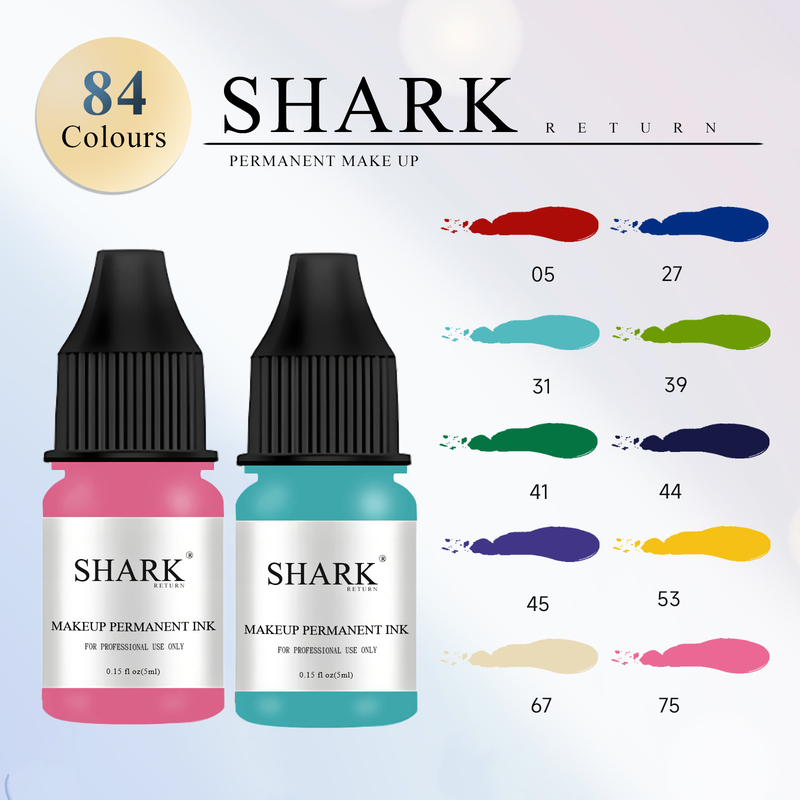
When it comes to getting a tattoo, choosing the right ink is crucial for your safety and health. Start by selecting a reputable tattoo parlor and artist. Look for studios that maintain high hygiene standards and have positive reviews from previous clients. A clean environment is essential to minimize the risk of infection.
It's also important to ask your tattoo artist about the ink they use. Inquire about the ingredients and sourcing of the tattoo ink. A responsible artist should be willing to share this information, helping you feel more comfortable with your choice. Brands like Tianyi Intelligent Technology Co., LTD. are known for their commitment to safety, as they adhere to stringent quality control protocols. This dedication ensures that their inks are free from harmful substances, providing peace of mind for clients.
Aftercare is just as important as the tattooing process itself. Proper aftercare ensures the safety and longevity of your new tattoo. Here are some best practices to follow:
Aftercare Practice | Description |
Keep it Clean | Gently wash the tattoo with mild soap and water. |
Moisturize | Apply a recommended ointment or lotion to keep it hydrated. |
Avoid Sun Exposure | Protect the tattoo from direct sunlight during healing. |
Do Not Scratch or Pick | Resist the urge to scratch or pick at scabs. |
Following these aftercare instructions is vital to prevent infections and ensure proper healing. Infections can lead to complications, including scarring or fading of the tattoo. By taking care of your tattoo, you can enjoy it for years to come.
Ensuring tattoo ink safety involves both choosing the right products and following proper aftercare practices. With the right approach, you can minimize risks and enjoy your body art safely.
Understanding tattoo ink safety is essential for your overall health and well-being.
Being aware of the ingredients in tattoo ink can help prevent allergic reactions and infections, ensuring a smoother healing process.
Before getting a tattoo, always take the time to research reputable artists and their ink choices.
Don't hesitate to ask questions about the inks used and their sourcing.
By prioritizing safety, you can enjoy your body art with confidence and peace of mind.
Stay informed, and make choices that reflect your commitment to your health and the longevity of your tattoo.
A: Research the tattoo artist and parlor. Ask about ink ingredients and safety practices.
A: Choose inks from reputable brands that prioritize safety and adhere to quality control standards.
A: Some inks may cause allergic reactions or skin sensitivities. Contaminants in inks can also pose health risks.
A: Seek medical attention immediately. Follow your healthcare provider's advice for treatment and care.
A: Yes, many tattoo parlors offer vegan and organic inks. These inks are made without animal products and often contain safer, plant-based ingredients.


