
English 
T: +86-130-7422-1289
E: tianyhzp@163.com
E: tianyhzp@163.com
No. 41, Third Ring Road, Longtang Community, Shilin Town, Nanhai District, Foshan City (Workshop 1, First Floor, East Side, Second Floor, Third Floor)
Views: 0 Author: Site Editor Publish Time: 2026-02-09 Origin: Site


Are you worried about your tattoos losing their vibrant colors over time? Many tattoo enthusiasts face this issue, often wondering how to keep their ink looking fresh.
In this article, we’ll explore the significance of tattoo ink and its role in tattoo longevity.
You’ll learn how to choose the right tattoo ink to prevent color fading, ensuring your body art remains stunning for years to come.
Tattoo ink is a specially formulated substance used for body art. It consists of pigments suspended in a carrier solution. The pigments provide color, while the carrier helps deliver the ink into the skin. Tattoo inks can be divided into two main types: organic and synthetic.
Type | Description | Examples |
Organic | Made from natural materials, often safer for skin. | Plant-based pigments |
Synthetic | Created through chemical processes, offering vibrant colors. | Carbon black, synthetic dyes |
Organic inks are often favored for their safety, while synthetic inks provide a wider range of colors. Both types have their pros and cons, depending on the artist's preference and the desired outcome.
When tattoo ink is applied, it penetrates the skin's outer layer and settles in the dermis, the second layer of skin. This is crucial for the longevity of the tattoo. The dermis is more stable than the epidermis, which constantly sheds dead skin cells. Once the ink is in the dermis, it becomes trapped by immune cells called macrophages. These cells engulf the ink particles, preventing them from being washed away.
As time passes, some pigment may be carried to the lymph nodes, but the majority remains in the dermis. This process is essential for maintaining the tattoo's appearance. However, the immune system can also lead to fading over time as it gradually breaks down the pigment particles.
Understanding how tattoo ink interacts with the skin can help you make informed choices about your body art. Selecting high-quality inks, like those from Foshan Tianyi Intelligent Technology Co., LTD., ensures better color retention and stability. Their advanced formulations are designed to minimize fading and enhance the overall vibrancy of your tattoos.
By knowing the basics of tattoo ink, you can better appreciate the artistry involved in tattooing and the importance of choosing the right products for lasting results.

As we age, our skin undergoes natural changes that can affect tattoo ink. Skin regeneration is a continuous process where old skin cells are shed and replaced by new ones. This cycle can lead to fading, as the outer layer of skin, the epidermis, gradually wears away. The deeper layers, like the dermis, hold the ink, but as the epidermis thins, some pigment may be lost.
In addition to the aging process, factors like hydration and skin elasticity play a role. Well-hydrated skin retains ink better, while dry or flaky skin can accelerate fading. Regular moisturizing helps maintain the skin's elasticity, making the tattoo look more vibrant over time.
External elements significantly impact the longevity of tattoo ink. One of the most critical factors is UV exposure. Sunlight can break down the pigments in tattoo ink, causing colors to fade faster. To combat this, it's essential to use sunscreen on tattooed areas, especially during prolonged sun exposure. Here’s a quick look at how UV rays affect different ink colors:
Ink Color | UV Sensitivity | Recommended Protection |
Black | Low | SPF 30+ |
Dark Colors | Moderate | SPF 30+ |
Bright Colors | High | SPF 50+ |
Pastels | Very High | SPF 50+ and protective clothing |
Water and moisture are also crucial factors. While it's important to keep tattoos clean, prolonged exposure to water can soften the skin and wash away unabsorbed ink. Activities like swimming or soaking in hot tubs should be limited, especially during the healing phase.
The quality of tattoo ink plays a vital role in its longevity. High-quality inks, like those from Foshan Tianyi Intelligent Technology Co., LTD., contain stable pigments that resist fading. These inks are manufactured under strict safety standards, ensuring that they are free from harmful materials.
On the other hand, low-quality inks often contain inferior pigments that break down more quickly. Here’s a comparison of high-quality versus low-quality inks:
Feature | High-Quality Ink | Low-Quality Ink |
Pigment Stability | High | Low |
Safety Standards | Strictly regulated | Often unregulated |
Color Vibrancy | Long-lasting and vibrant | Prone to fading |
Risk of Skin Irritation | Minimal due to premium ingredients | Higher due to inferior materials |
Choosing the right tattoo ink is essential for maintaining vibrant colors. By understanding these factors, you can take proactive steps to preserve the beauty of your tattoos and ensure they remain stunning for years to come.
When selecting tattoo ink, it’s crucial to prioritize professional-grade options. Reputable brands like Foshan Tianyi Intelligent Technology Co., LTD. are known for their exceptional color longevity and adherence to safety standards. These companies invest in research and development to ensure their inks maintain vibrancy over time.
Using high-quality inks minimizes the risk of fading and ensures a safer application process. One critical aspect of these brands is their sterile manufacturing processes. Sterility is essential to avoid contamination, which can lead to infections or allergic reactions. Always check for certifications and quality control measures when choosing your ink.
Color stability is vital for preventing fading in tattoos. Some colors tend to fade faster than others due to their chemical composition. Here’s a quick overview of how different colors perform over time:
Color | Fade Resistance | Notes |
Black | High | Long-lasting and very stable |
Dark Blue | High | Retains intensity well |
Dark Green | Moderate | Can fade over time if not applied deeply |
Deep Purple | Moderate | Some fading may occur, but generally stable |
Bright Colors | Low | Prone to fading without proper care |
For those looking to maintain vibrant tattoos, it’s advisable to choose fade-resistant colors such as black, dark blue, dark green, and deep purple. These shades are less likely to lose their intensity over time.
When discussing color choices, keep in mind that the application technique also plays a role. A skilled artist knows how to apply these inks effectively, ensuring they settle well within the skin. This combination of high-quality ink and expert application can significantly enhance the longevity of your tattoo.
By making informed choices about the ink you use, you can enjoy beautiful, vivid tattoos that stand the test of time.
When getting a tattoo, understanding the difference between the dermis and epidermis is crucial. The epidermis is the outer layer of skin, which constantly sheds and regenerates. In contrast, the dermis is the deeper layer where tattoo ink needs to be deposited for longevity. If the ink is placed too shallow in the epidermis, it can easily fade as the skin regenerates.
Improper application depth can lead to several issues, including blowouts and fading. A blowout occurs when the ink spreads beyond the intended area, creating a blurred effect. This not only affects the design but also leads to uneven fading. Proper technique ensures that the ink remains stable, allowing for vibrant colors that last longer.
The style of the tattoo also plays a significant role in ink retention. Different styles can affect how well the ink holds up over time. For example, bold tattoos with thick outlines tend to retain ink better than fine-line tattoos. Bold designs create a more substantial barrier that keeps pigments in place, reducing the risk of fading.
Here’s a comparison of how various styles impact ink longevity:
Tattoo Style | Ink Retention | Characteristics |
Bold Outline | High | Thick lines help keep pigments stable |
Fine-Line | Moderate | Delicate lines may fade more quickly |
Traditional | High | Strong outlines enhance durability |
Watercolor | Low | Soft edges can blur and fade easily |
Traditional tattoo styles often emphasize bold outlines, which help to keep pigments securely in the skin. This approach not only enhances the aesthetic appeal but also contributes to the overall longevity of the tattoo.
Choosing the right depth and style is essential for ensuring that your tattoo remains vibrant and intact for years to come. By working with a skilled artist who understands these factors, you can enjoy beautiful body art that stands the test of time.
One of the most critical aspects of caring for your tattoo is protecting it from harmful UV rays. Sunscreen is essential for tattooed areas, as UV exposure can cause colors to fade and pigments to break down. It’s recommended to use a broad-spectrum sunscreen with an SPF of 30 or higher. This level of protection helps shield your tattoo from the sun's damaging effects, ensuring it remains vibrant.
When choosing a sunscreen, opt for products that are fragrance-free and dye-free to avoid irritation. Some ingredients can react negatively with tattoo ink, leading to unwanted fading. Here’s a quick comparison of sunscreen types:
Sunscreen Type | Benefits | Cautions |
Chemical Sunscreen | Lightweight, absorbs quickly | May irritate sensitive skin |
Physical Sunscreen | Provides a barrier against UV rays | Thicker texture, may leave a white cast |
Applying sunscreen daily, even on cloudy days, is a simple yet effective way to maintain your tattoo's appearance.
Keeping your skin hydrated is crucial for preserving the vibrancy of your tattoo. Moisturizers help maintain skin elasticity and prevent dryness, which can contribute to fading. When selecting a moisturizer, look for dye-free and fragrance-free products. These formulations minimize the risk of chemical reactions that could lead to fading or irritation.
Here are some recommended products:
● Aloe Vera Gel: Soothes and hydrates without additives.
● Coconut Oil: Natural moisturizer that keeps skin supple.
● Hypoallergenic Lotions: Designed for sensitive skin, these are less likely to cause reactions.
Regularly moisturizing your tattooed skin helps it remain healthy and vibrant. Aim to apply moisturizer at least twice a day, especially after showering.
Friction can be detrimental to tattoos, particularly in high-friction areas like palms and feet. To protect your tattoos from wear and tear, consider the following tips:
● Wear Loose Clothing: This reduces friction against the tattooed area.
● Use Protective Covers: When engaging in activities that may cause rubbing, like sports.
Water exposure can also affect the longevity of your tattoo. Here are best practices for showering and swimming:
Activity | Recommendations |
Showering | Use lukewarm water and limit exposure time. |
Swimming | Avoid prolonged immersion, especially in chlorinated pools. |
By following these guidelines, you can effectively protect your tattoos from fading due to friction and water exposure. Taking these continuous care steps ensures your body art remains as stunning as the day it was inked.
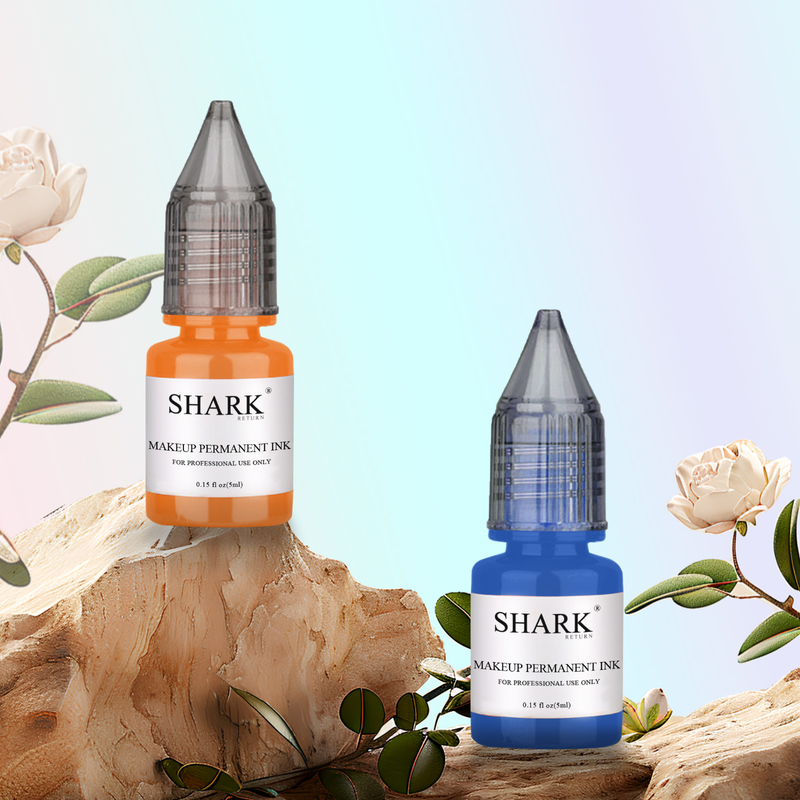
Over time, even the best tattoos may show signs of wear and fading. Knowing when to consider a touch-up is essential for keeping your body art looking fresh. Common indicators that your tattoo needs refreshing include noticeable fading, dullness, or uneven color. If you find that the lines are less crisp or the colors have lost their vibrancy, it might be time to schedule a touch-up appointment.
Here are some specific signs to look for:
Sign of Fading | Description |
Dull Colors | The tattoo appears less vibrant than before. |
Blurred Lines | Edges of the tattoo seem less defined. |
Uneven Color | Certain areas are noticeably lighter than others. |
Regularly inspecting your tattoo can help you catch these signs early, ensuring that it continues to look its best.
When planning a touch-up, using the same ink as the original tattoo is crucial. Consistency in ink formulation helps maintain vibrancy and prevents mismatched colors. Different brands or batches of ink may have slight variations in color, which can lead to an uneven appearance after a touch-up.
Before your touch-up, consult with your tattoo artist to ensure they use the same brand and color of ink. This attention to detail will help keep your tattoo looking cohesive and vibrant, preserving the beauty of your original design for years to come.
By recognizing the signs for touch-ups and ensuring the use of consistent ink, you can maintain the integrity of your tattoo and enjoy its beauty for a long time.
To prevent color fading in tattoos, choosing the right tattoo ink is essential. Prioritize professional-grade inks known for their longevity. Regular care, including UV protection and moisturization, helps maintain vibrancy.
Consider touch-ups when signs of fading appear and use the same ink for consistency. By selecting quality products and practicing proper care, you can ensure your tattoos remain beautiful for years.
A: Most professional inks last 1-3 years if stored properly.
A: Not if you use high-quality, regulated inks. Avoid cheap, untested brands.
A: Avoid direct sunlight, use SPF, and moisturize daily.
A: Weight changes can stretch or shrink the skin, potentially altering the tattoo's appearance.
A: Touch-ups are typically recommended every 3-5 years, depending on fading and personal preference.


