
English 
T: +86-130-7422-1289
E: tianyhzp@163.com
E: tianyhzp@163.com
No. 41, Third Ring Road, Longtang Community, Shilin Town, Nanhai District, Foshan City (Workshop 1, First Floor, East Side, Second Floor, Third Floor)
Views: 0 Author: Site Editor Publish Time: 2026-06-25 Origin: Site


The profitability of a PMU clinic relies heavily on flawless healed results. Migration, blowouts, and discoloration in eyeliner tattoos frequently lead to complex corrective work. They also cause severe reputational damage. The technical challenge is significant because eyelid tissue is uniquely thin and vascular. Pigment must implant cleanly. It cannot travel along microscopic capillaries.
This article provides a clinical and operational framework for evaluating and shortlisting PMU pigments. You will discover actionable strategies for ensuring predictable, natural-looking lash line enhancements. We will also explore criteria for achieving precise eyeliner results. These insights help clinics prioritize client safety and long-term aesthetic stability. By understanding formulation mechanics, artists can effectively avoid complications and deliver exceptional outcomes.
Viscosity Controls Migration: High-quality eyeliner pigments require a specific surface tension to prevent capillary bleeding in delicate eye tissue.
Formulation Dictates Fading: Understanding the operational differences between carbon-based organics and iron-oxide inorganics is critical to preventing the "blue/gray fade."
Compliance is a Baseline: Verifiable batch testing, gamma sterilization, and REACH compliance are non-negotiable for mitigating liability.
Cross-Application Demands: Versatile pigment lines must balance the distinct retention rates required across different dermal zones.
Eyeliner tattoo complications usually fall into two main categories. They either fade to an undesirable color or migrate beyond the intended boundary. Understanding the biological and physical mechanisms behind these failures is crucial. It helps artists select better formulations and refine their techniques.
Pigment blowouts occur when ink spreads uncontrollably under the skin. You see a blurry halo around the intended crisp line. We must differentiate between artist error and pigment failure. Artist error typically involves incorrect needle depth or improper insertion angles. Entering the dermis too deeply deposits ink into the vascular layers. Here, blood flow catches the particles. However, pigment failure plays an equally significant role. Formulations relying on excessive dispersion agents lack stability. Low-viscosity inks spread rapidly through the tissue structure.
High dispersion agents: Cause ink to travel quickly away from the needle puncture.
Low viscosity: Thin liquids seep into micro-capillaries instantly.
Trauma-induced bleeding: Excessive needle passes create pathways for pigment to bleed.
Many clients complain about deep black eyeliner turning blue or gray over time. The Tyndall effect explains this visual phenomenon. Light penetrates the skin and scatters. Shorter wavelengths, like blue light, reflect back to the observer. The deeper the pigment sits, the more pronounced this optical illusion becomes. Furthermore, macrophage breakdown impacts varying particle sizes differently. The immune system attacks the implanted pigment. Macrophages successfully carry away smaller particles. They leave larger, often cooler-toned particles behind. This shifts the overall visible color profile toward gray.
Eyelid skin reacts differently to pigment compared to other facial zones. It lacks a thick dermal cushion. It is highly vascular and extremely thin. Applying the exact same approach used on the thicker dermal layers of the brow invites disaster. Mucosal tissue on the lips also possesses different structural properties. Eyelids demand precise needle control. They also require specialized ink formulations designed specifically for minimal travel and maximum safety.
Evaluating an all-in-one pigment solution demands strict clinical scrutiny. Formulations must balance varying tissue requirements safely. You must assess viscosity, particle density, and carrier fluids. These factors dictate how the ink behaves inside the cartridge and beneath the skin.
Viscosity directly influences the flow rate through a needle cartridge. Eyeliner procedures require a highly balanced flow. If the ink is too thin, it causes immediate pooling. It floods the treatment area and obscures the artist's view. This drastically increases the risk of capillary migration. Conversely, if the ink is too thick, it prevents smooth implantation. Artists might overwork the delicate eyelid trying to force thick pigment into the skin. This excessive trauma leads to poor healing and blowouts.
Particle size correlates strongly with both longevity and migration risk. Micron size is a critical measurement metric. Larger particles offer highly stable retention. The immune system struggles to remove them quickly. However, they require highly precise technique for smooth implantation. Smaller particles saturate the skin rapidly. They create a solid, dark appearance very quickly. Unfortunately, small particles carry a much higher risk of migration. They travel easily through interstitial spaces.
The suspension liquid holds the raw pigment powder. It significantly impacts drying time during the procedure. It also influences healing time post-treatment. We see distinct operational differences between glycerin and alcohol-based carriers.
Chart: Carrier Fluid Characteristics | |||
Carrier Type | Drying Time | Implantation Feel | Best For |
|---|---|---|---|
Glycerin-Heavy | Slow | Smooth glide, minimal crusting | Delicate areas like eyelids |
Alcohol/Water | Fast | Quick saturation, crisp edges | Experienced artists moving quickly |
Glycerin-heavy bases generally provide a smoother glide. They prevent the pigment from drying out too quickly on the needle tip. This lubrication protects the delicate eye area from unnecessary friction.
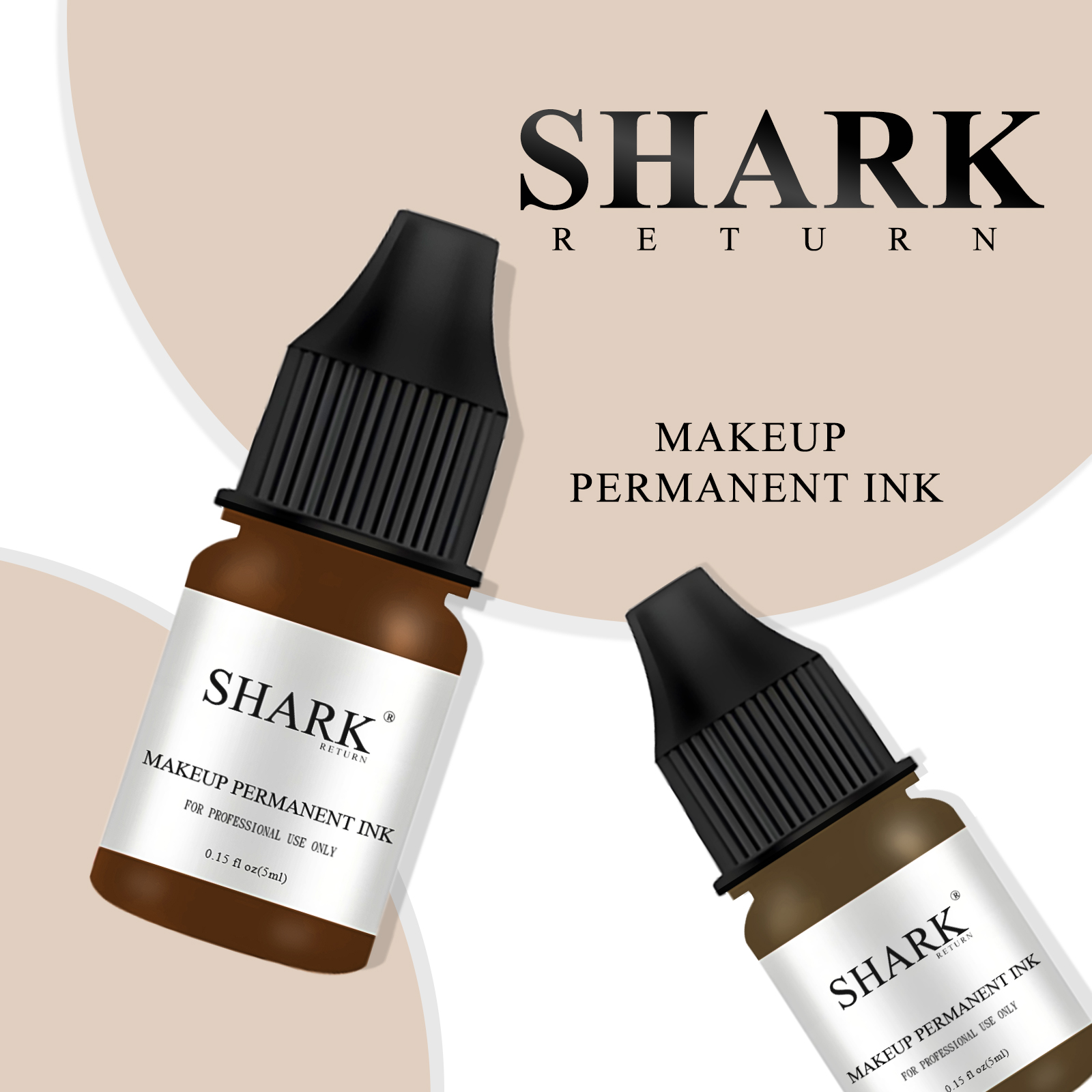
Modern cosmetic formulations utilize specific chemical classifications. Understanding these categories prevents unexpected fading behaviors. We divide pigments into three primary groups. Each serves a distinct aesthetic purpose.
Inorganic pigments derive from synthetic iron oxides. They are a staple in traditional cosmetic tattooing.
Features: They feature a larger particle size. The finish is highly opaque. They primarily offer earthy, muted tones.
Outcomes: They yield a softer, highly natural finish. This makes them ideal for subtle lash line enhancements. They fade predictably over one to three years.
Best Practices: Layer carefully to build depth. Avoid using them for aggressive, graphic liner styles.
Organic pigments are carbon-based formulations. They dominate the modern eyeliner market due to their intensity.
Features: They possess a tiny particle size. They offer incredibly intense color saturation.
Outcomes: They create crisp, dramatic looks. Clients seeking a "liquid liner" effect benefit most from organics.
Risks: They present a very high risk of migration if implanted too deeply. The tiny particles travel swiftly along blood vessels. Organics strictly require an experienced hand.
Manufacturers frequently combine both organic and inorganic compounds. These hybrids aim to balance long-lasting color intensity. They simultaneously reduce the risk of aggressive color shifting. A well-formulated hybrid utilizes the opacity of iron oxides alongside the deep saturation of carbon black. This combination provides artists a versatile tool for various client requests.
Clinics often seek versatile pigment lines to streamline their inventory. However, cross-application consistency requires a deep understanding of formulation mechanics. A single bottle rarely serves all facial zones perfectly without precise dilution or modification.
Evaluating whether a brand's core technology translates across services is essential. A formulation designed for rigid hair strokes rarely works well for soft eyeliner shading. You must verify if the manufacturer specifically formulates distinct modifiers for different treatment zones. True versatility comes from understanding the specific dermal retention rates required across the face.
Advanced techniques demand specialized inks. Formulating an Eyeshadow Tattoo Ink Tattoo Pigment is uniquely challenging. It demands much lower opacity compared to solid eyeliner. Shading requires highly controlled dilution. The pigment must disperse softly into the skin. It should create a translucent wash of color. Using a highly concentrated eyeliner ink for stardust techniques often results in muddy, uneven healing. Artists must use specific shading solutions to achieve gradient effects safely.
Contrasting eye tissue needs with mucosal lip tissue needs highlights the complexity of PMU chemistry. A Tattoo Pigment Pmu Lip Ink operates in a highly moist, rapidly exfoliating environment. It requires high saturation levels. We must emphasize the necessity for titanium dioxide moderation in lips. Excessive white pigment prevents vibrant healing. It leads to chalky, opaque results. Eye tissue, conversely, rarely requires titanium dioxide. Understanding these divergent needs prevents cross-application failures.
Client safety remains the paramount concern in any cosmetic tattoo procedure. Ocular treatments carry inherent biological risks. Utilizing compliant, highly sterilized products mitigates liability. It also ensures optimal healing environments.
REACH compliance represents the European Union's regulatory framework. It stands as the global gold standard for heavy metal limits in cosmetics. This framework strictly regulates harmful impurities. Even for clinics operating in North America, sourcing REACH-compliant pigments is a vital safeguard. It ensures the lowest possible risk of allergic reactions. Adhering to these stringent standards demonstrates professional integrity.
The operational importance of sterile products cannot be overstated. Manufacturers must use gamma-ray sterilization for all cosmetic inks. Gamma radiation destroys microbial DNA completely. This prevents cross-contamination. It eliminates the risk of micro-bacterial infections in the ocular area. Never accept pigments packaged in unsealed or unverified containers. A Tattoo Lip Ink Pigment Permanent or eyeliner ink must arrive in a medically sealed state.
Manufacturers must provide total transparency regarding their ingredients. You must obtain and review Safety Data Sheets (SDS). These documents detail the chemical breakdown of the product. Reviewing an SDS allows you to verify the absence of toxic azo dyes. You can also check for unapproved preservatives. This due diligence protects both the client's health and the clinic's reputation. Missing SDS documentation serves as a massive red flag.
Selecting a new pigment line requires a methodical approach. Relying on marketing claims often leads to disappointment. Artists should utilize a clinical procurement logic to ensure long-term success.
Step 1: Audit the Formulation Profile. Demand transparency from the manufacturer. Do they clearly list Color Index (CI) numbers? Can you identify the exact carrier ingredients? Understanding the CI codes tells you exactly whether you are working with carbon or iron oxides.
Step 2: Trialing Viscosity on Synthetic Skin. Never test a new ink directly on a live model. Test the flow rate on high-quality synthetic practice skin. Observe how the ink interacts with your preferred needle cartridge. It should flow consistently without aggressive vibration or dripping.
Step 3: Analyzing Healed Results. Freshly tattooed skin always looks vibrant. It reveals nothing about ink stability. You must evaluate a manufacturer's one-year and three-year healed portfolio. This is the only reliable metric for assessing color shifts and fading patterns. Look closely for signs of blue or gray degradation.
Once you audit the formulation, request sample kits. Review the batch test certificates provided by the supplier. Standardize pigment choices across your clinic's artists. This creates consistent results regardless of which artist performs the procedure. Consistency builds brand trust and simplifies post-care protocols.
Common Mistake: Mixing different brands of pigment in a single procedure. Distinct carrier formulations often react unpredictably when combined. Always stick to one chemical family during a single pass.
The choice of eyeliner pigment is not a place for compromise. The unique biological challenges of the eyelid demand specialized formulations. Achieving smooth lines and natural results requires comprehensive technical knowledge.
Predictable fading profiles protect clients from harsh blue or gray residual tones.
High-viscosity organics or balanced hybrids minimize the risk of devastating capillary blowouts.
Strict adherence to REACH compliance and sterilization standards guarantees ocular safety.
Take action by auditing your current pigment inventory. Discard inks lacking proper SDS documentation or verifiable batch testing. Prioritize scientifically sound formulations to minimize difficult laser removal scenarios. Investing in premium, stabilized pigments ultimately protects your clinic's most valuable asset: its reputation.
A: Deep implantation and the Tyndall effect primarily cause this shift. Light scatters through the skin, making deep black pigment appear blue. Additionally, immune macrophages break down smaller pigment particles over time. They leave larger, cooler-toned particles behind, resulting in a gray or ashy fade.
A: No. They require different CI formulations. Brow pigments often contain warmer tones and distinct carrier fluids suited for thicker dermal layers. Eyeliner inks need specific viscosity levels to prevent migration in the thin, highly vascular eyelid tissue. Dedicated eye pigment is vastly safer.
A: A lash line enhancement typically lasts between 1.5 to 3 years. The exact duration depends heavily on the organic-to-inorganic ratio of the ink. Client lifestyle, sun exposure, and the natural exfoliation rate of the eyelid also significantly impact retention.
A: Migration results from a combination of poor ink viscosity and excessive needle trauma. High dispersion agents cause thin ink to seep into micro-capillaries. Entering the tissue at an incorrect angle or piercing too deeply directly deposits ink into vascular pathways, causing an immediate blowout.


